Top Benefits of Blown-In Insulation for Your Home
- jupiterinsulation1
- Dec 19, 2025
- 3 min read
When it comes to home insulation, many homeowners overlook the advantages of blown-in insulation. This method not only enhances energy efficiency but also contributes to a more comfortable living environment. In this blog post, we will explore the top benefits of blown-in insulation, providing you with valuable insights to make an informed decision for your home.
What is Blown-In Insulation?
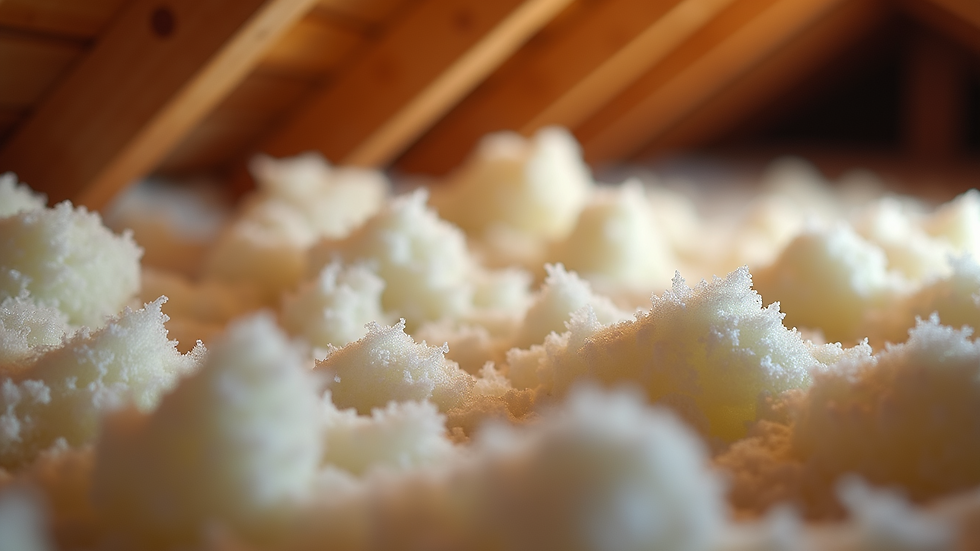
Blown-in insulation, also known as loose-fill insulation, is made from various materials, including fiberglass, cellulose, or mineral wool. It is installed by blowing the insulation material into the desired space, such as attics or wall cavities. This method allows for a more even distribution of insulation, filling gaps and voids that traditional batts may miss.
Energy Efficiency
One of the most significant benefits of blown-in insulation is its ability to improve energy efficiency. By effectively sealing gaps and cracks in your home, blown-in insulation helps maintain a consistent temperature, reducing the need for heating and cooling systems to work overtime. This can lead to substantial savings on your energy bills.
Cost Savings
Lower Energy Bills: Homeowners can save up to 20% on their heating and cooling costs with proper insulation.
Long-Term Investment: While the initial cost of blown-in insulation may seem high, the long-term savings on energy bills can offset this expense.
Improved Comfort
Blown-in insulation contributes to a more comfortable living environment by regulating indoor temperatures. It minimizes drafts and cold spots, ensuring that every room in your home remains cozy throughout the year.
Noise Reduction
In addition to temperature control, blown-in insulation also acts as a sound barrier. It helps reduce noise from outside and between rooms, creating a quieter and more peaceful home environment.
Environmentally Friendly
For eco-conscious homeowners, blown-in insulation offers an environmentally friendly option. Many blown-in insulation materials, such as cellulose, are made from recycled products. This not only reduces waste but also contributes to a lower carbon footprint.
Sustainable Materials
Cellulose Insulation: Made from recycled paper products, cellulose is treated with fire retardants and is a sustainable choice for insulation.
Fiberglass Insulation: Often made from recycled glass, fiberglass insulation is another eco-friendly option that provides excellent thermal performance.
Versatility
Blown-in insulation is incredibly versatile and can be used in various areas of your home. Whether you need to insulate your attic, walls, or crawl spaces, this method can adapt to different spaces and requirements.
Easy Installation
The installation process for blown-in insulation is relatively quick and straightforward. Professionals use specialized equipment to blow the insulation into the desired areas, ensuring a thorough and even application. This means less disruption to your daily life compared to other insulation methods.
Pest Resistance
Certain types of blown-in insulation, particularly cellulose, are treated with pest-repellent chemicals. This helps deter rodents and insects from nesting in your insulation, providing an added layer of protection for your home.
Long-Lasting Performance
Blown-in insulation is designed to maintain its effectiveness over time. Unlike traditional batts, which can sag or settle, blown-in insulation remains in place, ensuring consistent performance for years to come.
Conclusion
Choosing blown-in insulation for your home can lead to numerous benefits, including enhanced energy efficiency, improved comfort, and environmental sustainability. By investing in this insulation method, you can enjoy lower energy bills, a quieter living space, and a more comfortable home overall. If you're considering insulation options, blown-in insulation is undoubtedly worth exploring.
Take the next step towards a more energy-efficient and comfortable home by consulting with a professional insulation contractor today.


Comments