How to Choose the Right Attic Insulation Solution
- jupiterinsulation1
- Dec 19, 2025
- 3 min read
When it comes to home energy efficiency, attic insulation plays a crucial role. Many homeowners overlook this aspect, but the right insulation can significantly reduce energy costs and improve comfort. With various options available, choosing the right attic insulation solution can be daunting. This guide will help you navigate through the choices and find the best fit for your home.
Understanding the Importance of Attic Insulation
Attic insulation serves as a barrier between your living space and the outside environment. It helps to keep your home warm in winter and cool in summer by minimizing heat transfer. Here are some key benefits of proper attic insulation:
Energy Efficiency: Insulation reduces the amount of energy needed for heating and cooling, leading to lower utility bills.
Comfort: A well-insulated attic helps maintain a consistent temperature throughout your home, enhancing comfort.
Noise Reduction: Insulation can also help dampen sound, making your home quieter.
Environmental Impact: By reducing energy consumption, proper insulation contributes to a lower carbon footprint.
Types of Attic Insulation
There are several types of attic insulation, each with its own advantages and disadvantages. Understanding these options will help you make an informed decision.
1. Fiberglass Insulation
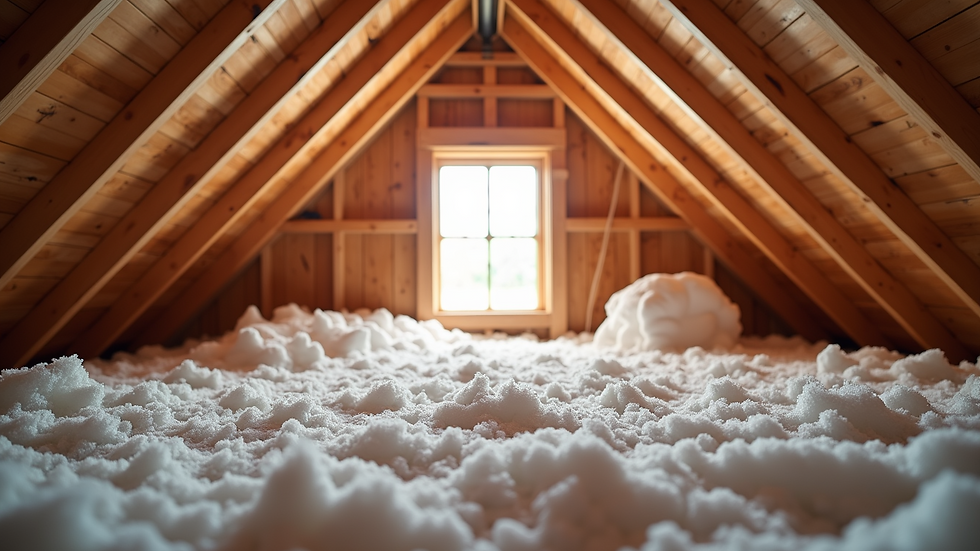
Fiberglass insulation is one of the most common types used in attics. It comes in batts or loose-fill forms and is made from tiny glass fibers.
Pros:
Cost-effective
Non-combustible
Resistant to moisture
Cons:
Can irritate skin and lungs during installation
Requires careful handling
2. Spray Foam Insulation
Spray foam insulation is a versatile option that expands upon application, filling gaps and creating an airtight seal.
Pros:
Excellent air sealing properties
High R-value per inch
Reduces noise transmission
Cons:
Higher initial cost
Requires professional installation
3. Cellulose Insulation
Made from recycled paper products, cellulose insulation is an eco-friendly option that is often treated for fire resistance.
Pros:
Environmentally friendly
Good at reducing air leaks
Can be blown into hard-to-reach areas
Cons:
Can settle over time, reducing effectiveness
May require a vapor barrier in some climates
4. Mineral Wool Insulation
Mineral wool, or rock wool, is made from natural or recycled materials and is known for its fire-resistant properties.
Pros:
Fire-resistant
Soundproofing qualities
Water-resistant
Cons:
Heavier than other insulation types
More expensive than fiberglass
Factors to Consider When Choosing Insulation
When selecting the right insulation for your attic, consider the following factors:
Climate
Your local climate plays a significant role in determining the type of insulation you need. For example, homes in colder climates may benefit from higher R-values, while those in warmer areas may prioritize air sealing.
R-Value
The R-value measures insulation's resistance to heat flow. The higher the R-value, the better the insulation's effectiveness. Check local building codes for recommended R-values for your area.
Installation Method
Consider whether you will install the insulation yourself or hire a professional. Some types, like fiberglass batts, are DIY-friendly, while others, like spray foam, require professional installation.
Budget
Your budget will influence your choice of insulation. While some options may have a higher upfront cost, they may save you money in the long run through energy savings.
Environmental Impact
If sustainability is important to you, consider eco-friendly insulation options like cellulose or mineral wool, which are made from recycled materials.
Installation Tips
If you decide to install insulation yourself, here are some tips to ensure a successful project:
Wear Protective Gear: Always wear gloves, goggles, and a mask to protect yourself from irritation.
Seal Air Leaks: Before installing insulation, seal any gaps or leaks in your attic to maximize efficiency.
Follow Manufacturer Instructions: Each insulation type has specific installation guidelines. Follow them closely for the best results.
Maintenance and Upkeep
Once your attic insulation is installed, regular maintenance is essential to ensure its effectiveness:
Inspect Annually: Check for signs of settling, moisture, or pest infestations.
Replace When Necessary: If you notice a significant drop in performance, it may be time to replace your insulation.
Conclusion
Choosing the right attic insulation solution is vital for energy efficiency and comfort in your home. By understanding the different types of insulation, considering key factors, and following proper installation and maintenance practices, you can make an informed decision that will benefit your home for years to come.
Take the time to evaluate your options and consult with professionals if needed. Your home deserves the best insulation solution to keep it comfortable and energy-efficient.


Comments